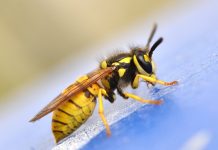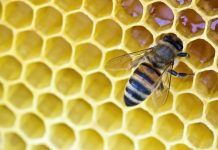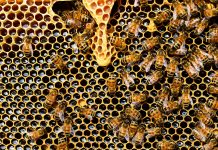
Summer is a beautiful time of year. The sun is shining, the flowers are blooming, and the bees are buzzing. Bees are an intelligent, integral part of our ecosystem. They pollinate many flowers and other plants including almonds, apples, blueberries, cherries, and avocados. You wouldn't be able to enjoy some of your favorite picnic snacks without the hard work of bees. But should you be afraid of them? Are bee stings dangerous? If you would like to know the answer to this question and more, read on.
Fortunately, bee stings are not a danger to most of the population. While you may have an allergic reaction to the venom, you will usually only experience mild swelling and discomfort for anywhere from a couple of hours to a couple of days. Those stung by a bee may also experience mild itching. If you live in an area that is heavily populated with bees, it is especially important to know what kinds of bees sting, why they sting, how to prevent bee stings, and what to do if you've been stung. Not only will this knowledge ease your mind, but you will be able to protect yourself and take care of a loved one in the event of a bee sting.
Which Bees Sting?
Although many people are frightened whenever they see a bee, not all bees sting. In fact, bees that appear the most threatening are often the most harmless. Males bees do not have stingers, and certain species of bees have stingers that are too small to use for defense. These bees will fly at a perceived threat, causing them to panic and swat the bee. Most sting-less bees live in tropical climates.
Why Do Bees Sting?
Bees sting for several reasons. They will sting a human if they feel threatened, if they are handled roughly, or if they get stepped on. However, stinging is not a bee's first line of defense. Their stingers are barbed, and stinging animals such as humans and bears cause the stinger to get caught in the skin or fur. This rips the abdominal muscles, digestive tract, nerves, and other muscles out of the bee, causing the bee to die. Honey bees are the only species of bee that can sting multiple times.
Please note that although honey bees can sting humans multiple times without dying, the alarm pheromones released upon the injection of apitoxin occurs much more quickly when a bee is fatally injured. This may incite other nearby bees to come and attack the threat.
Are Bee Stings Dangerous?
So, are bee stings dangerous? In general, bee stings are not dangerous, but they can be lethal to the approximately one or two out of every 1,000 people that are allergic to bee stings. If you are allergic to bee venom, it is wise to carry epinephrine with you at all times. About 53 people die from an allergic reaction to bee venom annually. However, this number is consistently increasing as Africanized bees are multiplying rapidly in Texas.
For individuals not allergic to bee venom, the most dangerous part of a bee sting is the pheromones released after the bee sting. This confirms to other nearby bees that the unfamiliar scent is a threat, and they, too, should attack. While it is best to remain calm and still in the presence of bees, if you get stung, the best course of action is to run.
There are many steps you can take to avoid being stung by a bee. These include:
Treating a Bee Sting
If you find yourself or a loved one stung by a bee, there are many steps you can take to treat the sting. These include:
Are Bee Stings Dangerous – Conclusion
When asking yourself if bee stings are dangerous, it's important to remember that bees are an integral part of our ecosystem. Only female bees of certain species can sting humans, and only honey bees can sting a human more than once without dying. While bee stings remain relatively rare, sit is wise to exercise caution around any bee you see. If you remain calm, particularly if you are not near a hive, bees are likely to leave you alone. Docile species of bees include solitary bees and bumblebees. Since stinging a human kills a bee, they typically try to mind their own business and continue drinking, eating, working, or performing whatever other daily tasks they are going about.
If you get stung by a bee, you only need to seek medical attention if you are having an allergic reaction. Otherwise, you can treat the sting with an everyday first aid kit. Do your best to keep children away from open sources of food and keep their hands and clothing clean. If a child is stung, ensure he or she does not scratch the skin excessively, as this can lead to infection. The most important thing to remember is if you mind your own beeswax, bees will generally leave you in peace to enjoy your summer.